 Skip to content


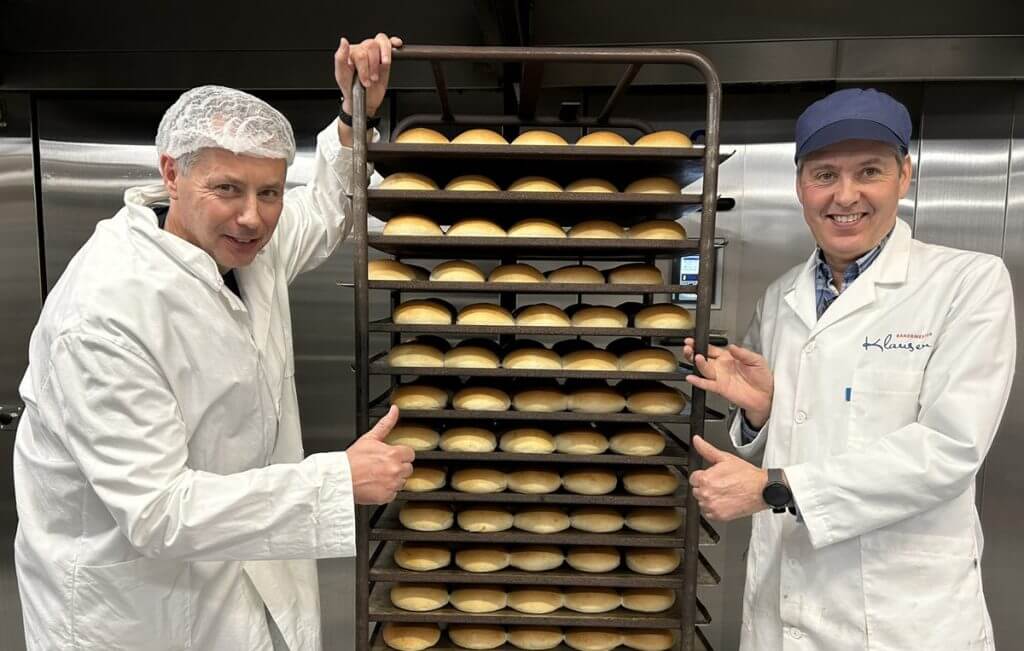
It all started at Marienlyst Stadium with the home team Strømsgodset. At the sponsor stand, brothers Ben and Pål Klausen spoke with Energihuset. The Klausen brothers were interested in finding out if it was possible to save on electricity costs, which have become high and unpredictable in recent years.
– We agreed that Energihuset would conduct an energy survey at our premises, and prepare a report with the results of the current situation in the building, and the measures that can be implemented to reduce energy consumption. For each measure, the reduction in climate footprint, estimated cost and degree of savings are also shown, says Ben Klausen, who has been chairman of the family business since 1945.
Energy mapping in an old building
The building where Bakermester Klausen is located was built in 1965. It houses storage areas, freezer rooms, production facilities and offices. In such an old building, there is a lot to do when you want to save energy. In newer buildings, the measures will likely be simpler. The bakery is the main supplier for NorgesGruppen in Søndre Buskerud, and bakes around 120,000 loaves of bread a week. The bakery has 22 bakers and one apprentice, divided into three shifts.
– We also have an agreement with Vestre Viken Hospital. We have regular deliveries to all four hospitals in the region. Most recently today we had a delivery of 54 cakes to Bærum Hospital, which is celebrating its 100th anniversary today. We have 12 permanent pastry chefs, in addition to two extra helpers. Here in-house and in sales, we have a total of 100 employees, divided into 75 full-time equivalents, says Klausen, who himself is a trained master baker.
90 out of the 100 have their workplace in the building, and production runs 24/7. It goes without saying that there is money to be saved even on small measures.
– After the survey that Energihuset did for us, we have become more aware of things we would not have thought of ourselves. We are in the bakery every day and do our usual things. When Energihuset was here, they made us aware of things that we may actually know, but that we don't think about when everyday life goes by so fast. We got an alarm clock. For example, the ventilation system, we went through it after they were here. We have found energy-saving measures without investment costs. It was just a question of making some adjustments to the system we already have. There are many simple things you can do that do not involve any expenses. It is about raising awareness, both for us and the employees. For example, when they have used an oven and are not going to use it again for three quarters of an hour, then it is actually possible to turn it off, or leave it on half heat. There is a lot to gain over a whole year; you can save every day. We use less electricity after we started implementing these measures, and then we are talking about measures we have taken without investing anything, says Klausen.
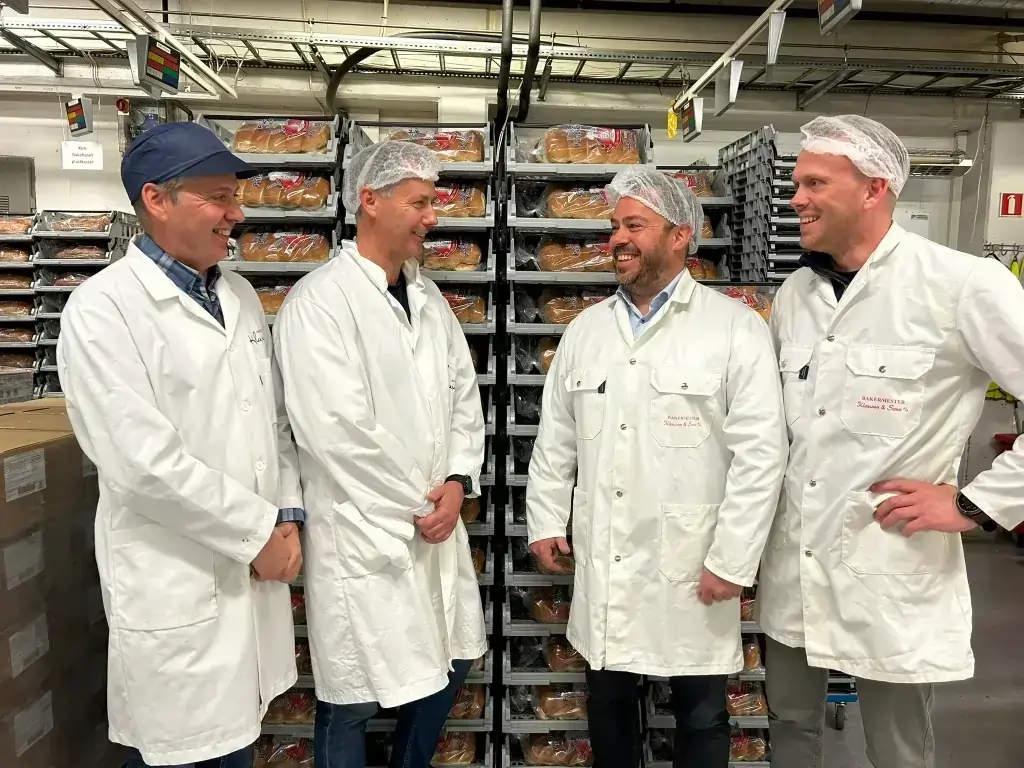
– If you also look at the measures that have an investment cost, you see that with an electricity price of 1 NOK, 75% of total energy consumption can be reduced, with a payback period of less than 5 years, smiles Kim Kofoed, Key Account Manager at Energihuset.
Energihuset is the only independent supplier of energy mapping in Norway, and therefore has nothing to gain from Baker Klausen or other customers choosing one measure over another.
– We do not deliver any of the measures ourselves, we only deliver this report. We specialize in small and medium-sized businesses and have priced our services towards the SME market. We believe that all bakeries can find some ways to save energy, and if the bakery has a consumption of 500,000 kW and above, it may make sense to carry out a survey. Energihuset performs an energy analysis that will provide opportunities to achieve reduced energy costs and an improved energy profile by optimizing commercial buildings, says Henning Andersen, founder of Energihuset.
The mapping process
Energihuset does the actual mapping and analysis with a little help from the customer. After the report is delivered, they are also helpful in finding the best solutions for each individual, as well as providing information and assistance in the application process to obtain funding from, for example, Enova.
– First, we collect as much data as possible about the building. Drawings, hourly values, consumption figures, how electricity is used throughout the day and information about what draws electricity, i.e. the energy drivers in the building. We need as much information as possible about this before we visit the customer for an inspection. During the inspection, we observe the daily flow in the building, then we travel back and start calculating. The result is a report with all the measures that should be looked at. The different measures are listed with an estimated cost and savings rate per measure. And then we provide an overview of the cost-benefit. Furthermore, it is up to the customer to decide which measures they want to proceed with, says Andersen.
– The most useful thing for us in this process has been the awareness. Once we got everything on paper,