

 Skip to content
The first quarter of 2026 was among the most expensive for electricity since the energy crisis in 2022. Households are largely protected through the Norgespris, but commercial buildings are not. This makes every step more worthwhile, and an energy survey is the basis for spending the money where it gives the most return.
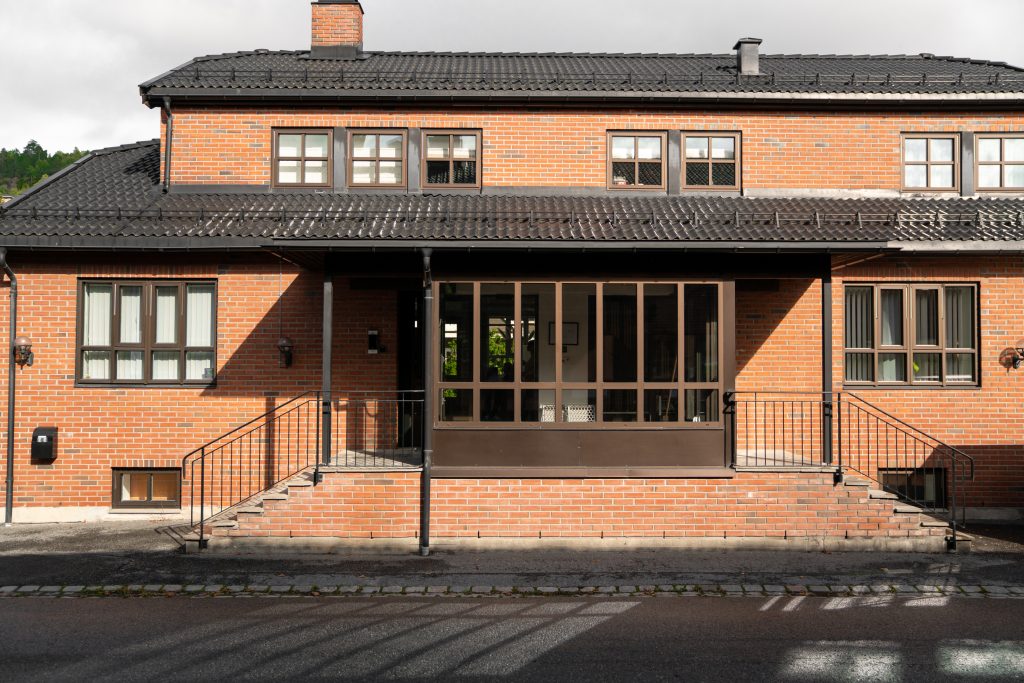

Electricity prices in Southern Norway started the year high. According to Statistics Norway, we have to go back to the end of 2022, in the midst of the energy crisis in Europe, to find a quarter with higher electricity prices than the first quarter of this year.
The background lies in the hydrology. NVE reports that the filling level in the water reservoirs in Southern Norway (price areas NO1, NO2 and NO5) was below the median at the beginning of the year. Low reservoirs and a close connection to a turbulent European market suggest that prices may remain high throughout the year.
For most households, the bill was still affordable. Around 55 percent of household consumption in February was linked to the new Norgespris scheme, and according to Statistics Norway, the total electricity price for households ended up being roughly unchanged from the previous year – even though the spot price was significantly higher.
This protection does not apply to commercial buildings. Companies are not covered by the Norwegian Electricity Price or the ordinary electricity subsidy, and therefore pay the full market price. When the spot price rises, it hits the bottom line straight away, without any scheme to cushion the fall.
"We are noticing that more companies are now addressing their electricity costs, and that is a good thing. When prices are so high, all good measures become more worthwhile – whether it is cutting waste, installing solar panels or installing batteries. The most important thing is that the measures are targeted to the specific building you have."
- Henning Andersen, adviser and partner in Energihuset.

A high price picture also makes all good measures more profitable. Every kilowatt hour you cut, every kilowatt hour you produce yourself with solar cells, and every hour you can shift consumption with batteries – everything is worth more when the price is high. The decisive factor is how well the measures fit your specific building.
This is where an energy survey comes in. It shows what the building actually uses, and which measures pay off the most – and thus provides a secure basis for the investments that follow, whether it is energy efficiency, solar cells, batteries or a new electricity contract.
For a business with commercial buildings, this is often where the biggest and quickest gains lie – in understanding your own consumption before taking the next step.
An Energy Audit is conducted in several steps.
First, our experts collect data on the building's energy consumption, technical installations, and operational procedures.
Subsequently, a physical and detailed inspection of the building is performed.
These data are then analyzed to identify patterns and deviations that may indicate inefficient energy consumption. This includes evaluating heating and cooling systems, lighting, ventilation, and the use of electrical appliances.
These data are then analyzed to identify patterns and deviations that may indicate inefficient energy consumption. This includes evaluating heating and cooling systems, lighting, ventilation, and the use of electrical appliances.
"An energy survey is the map. It shows where the money actually disappears, and provides a solid basis for investing correctly. When you first install solar cells or batteries, you want them to work on a building that is already optimized - then the return will be best. The cheapest kilowatt-hour is the one you don't use. High prices don't change that - they just make it even more profitable to have control over consumption."
– Henning Andersen

Are you wondering where the potential lies in your building? Contact Energihuset for a non-binding chat about an energy assessment.
To provide the best experiences, we and our partners use technologies such as cookies to store and/or access device information. Consent to these technologies will allow us and our partners to process personal data such as browsing/navigation behavior or unique IDs on this site and display (non-)personalized advertisements. If you do not consent or withdraw consent, it may adversely affect certain features and functions.
Click below to consent to the above choices or make detailed choices. Your choices will only be used on this website. You can change your settings at any time, including withdrawing your consent, by using the toggles on the cookie statement, or by clicking the "Manage Consent" button at the bottom of the screen.